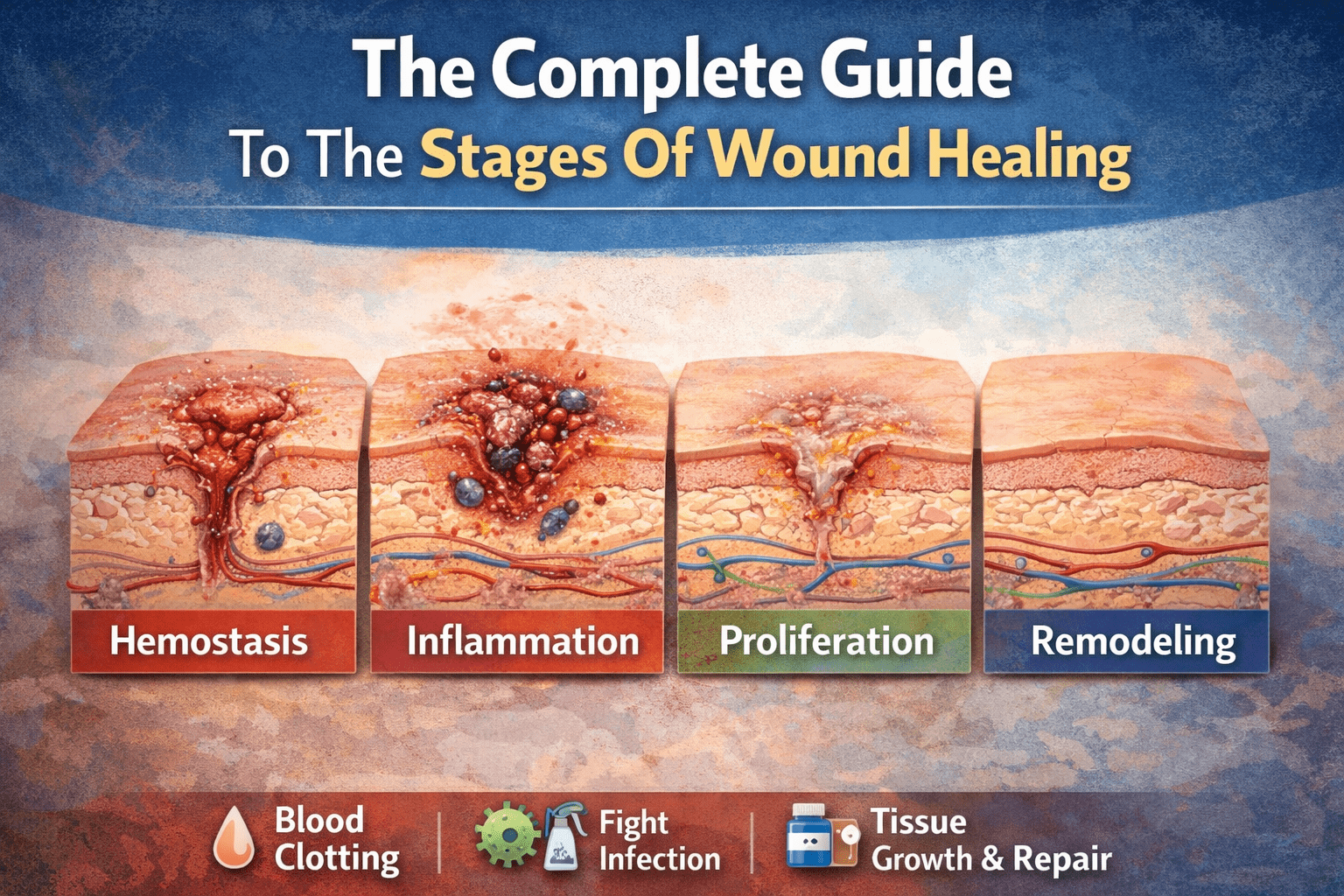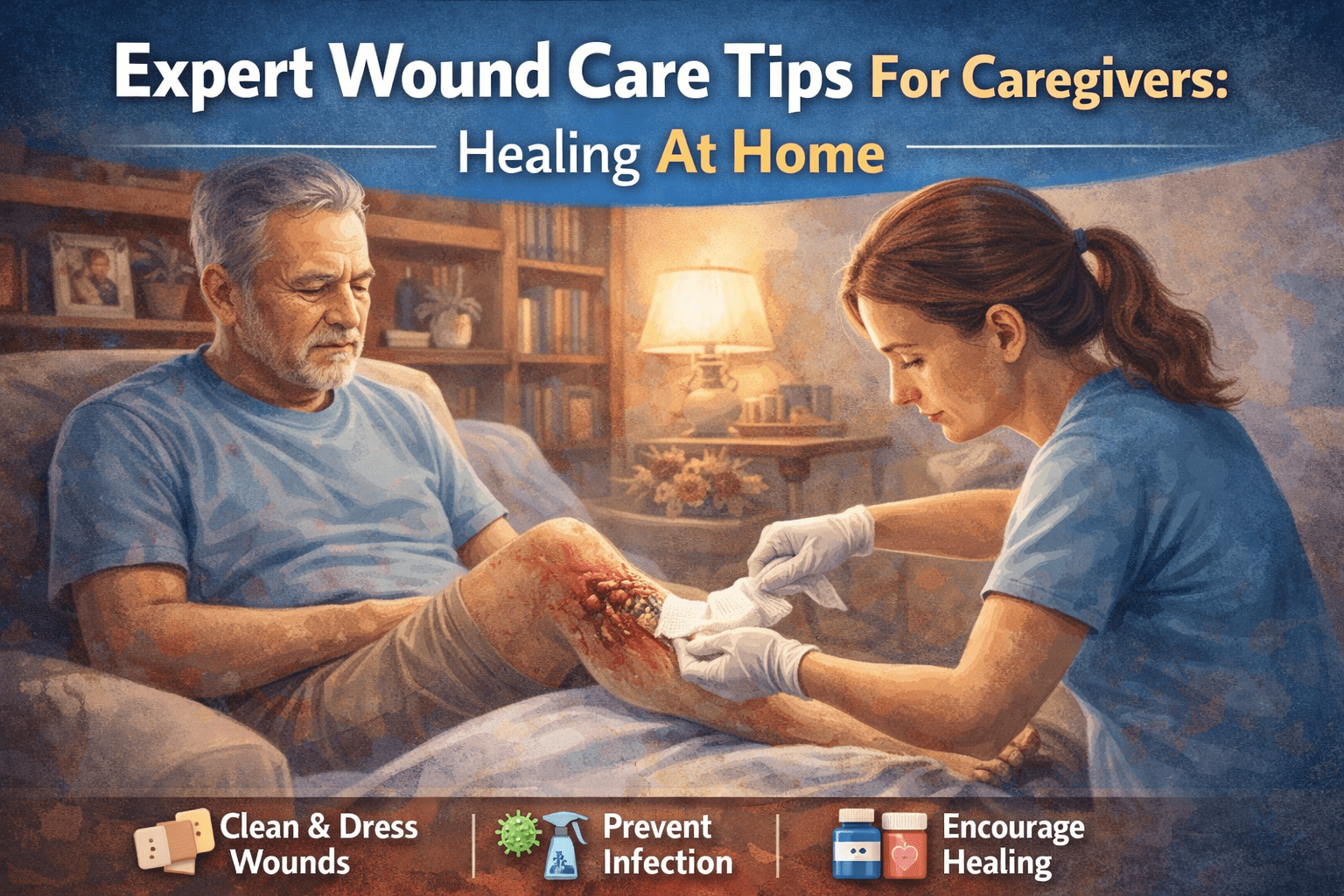
A small wound should heal. That is what we are taught. Clean it, cover it, give it time.
But what happens when time passes and nothing changes?
If you are searching for why chronic wounds don’t heal, you are likely dealing with frustration, confusion, and maybe even fear. A sore that looked minor weeks ago is still there. Maybe it is bigger. Maybe it hurts more. Maybe it simply refuses to close. Here is the truth. When a wound becomes chronic, it is no longer just a surface issue. Something deeper is blocking the healing process.
In the U.S., chronic wounds affect millions of patients each year, especially those managing diabetes, limited mobility, or circulation issues. According to latest research, chronic wound care costs the U.S. healthcare system over $25 billion annually, largely due to delayed treatment and complications.
At Inspiring Minds Wound Care, we provide advanced chronic wound care across Ohio, including professional mobile wound care services for patients who need treatment at home. Our experienced wound care specialists focus on identifying what is preventing healing and correcting it early.
This article explains why chronic wounds do not heal, what blocks the healing process, and how the right wound care approach helps wounds move forward safely and effectively.
“Inspiring Minds Wound Care delivers advanced, patient-focused wound care in Ohio, helping individuals overcome chronic wounds through expert assessment, consistent monitoring, and stage-based treatment that supports real healing, not temporary fixes.”What Makes A Wound Become Chronic Instead Of Healing
Most wounds are expected to heal. Chronic wounds are not the result of bad luck. They become chronic because something blocks the body’s normal repair process, often more than one thing at the same time.
This is where frustration usually begins. From the outside, the wound looks “fine enough.” From the inside, healing is stalled.
Let’s break down what actually causes that stall.
1. Interrupted Blood Flow Slows Everything Down
Healing depends on oxygen and nutrients reaching the wound. When circulation is poor, the body simply cannot deliver what repair cells need to do their job.
This is common in:
- Diabetes
- Peripheral artery disease
- Long-term swelling in the legs
Without healthy blood flow, wounds linger even with regular cleaning and bandaging.
2. Ongoing Pressure Keeps Reopening The Damage
Pressure is one of the most underestimated barriers to healing.
When a wound is exposed to constant pressure, such as on the heel, foot, or lower back, newly formed tissue breaks down as fast as it forms. This is why pressure injuries and foot ulcers are among the most common chronic wounds.
Healing requires pressure relief, not just time.
3. Inflammation That Never Fully Switches Off
Inflammation is necessary at first. When it continues too long, it becomes a problem.
Chronic inflammation keeps the wound in a constant cleanup phase. Instead of rebuilding tissue, the body stays stuck fighting irritation, bacteria, or repeated trauma.
This is a major reason wounds appear red, swollen, or draining for weeks without improvement.
4. Infection Keeps The Body In Defense Mode
Not all infections come with fever or severe pain.
Low-grade infections can quietly delay healing by damaging healthy tissue and increasing inflammation. Drainage, odor, and tissue discoloration are often early signs that bacteria are interfering with progress.
Ignoring these signs allows wounds to deepen and widen over time.
5. Poor Nutrition Slows Tissue Repair
Healing is hard work for the body. Protein, fluids, and essential nutrients fuel tissue repair. When intake is low, the body prioritizes survival over healing. Wounds are placed on hold.
This is especially common in older adults or patients recovering from illness.
6. Treating The Surface Instead Of The Cause
Repeated dressing changes alone do not fix chronic wounds.
When care focuses only on covering the wound instead of identifying what stage healing is stuck in, progress remains slow. Chronic wounds require targeted wound care strategies based on circulation, pressure, infection risk, and healing phase.
At Inspiring Minds Wound Care, we evaluate wounds by cause and healing stage, not appearance alone. That clarity helps wounds move forward instead of repeating the same cycle.
Common Types Of Chronic Wounds And Why They Are Hard To Heal
Chronic wounds are not all the same, even though they are often treated that way. Each type has a different reason for stalling, which is why effective wound care must be tailored, not generic. Understanding the wound type helps explain why healing has slowed and why support from trained wound care specialists often becomes necessary.
Below are the most common chronic wounds and what makes each one difficult to heal.
1. Diabetic Foot Ulcers And The Problem With Nerve Damage
Diabetic foot ulcers are among the most challenging wounds managed in long-term wound care.
Diabetes affects both circulation and nerve sensation. Reduced blood flow limits oxygen delivery, while nerve damage prevents patients from feeling pain or pressure. As a result, wounds often worsen before they are noticed.
Why they heal slowly:
- Poor circulation reduces tissue repair
- Loss of sensation allows repeated injury
- High blood sugar interferes with immune response
These wounds often require consistent monitoring and targeted care from experienced wound care specialists to prevent infection and deeper tissue damage.
2. Pressure Injuries Caused By Constant Weight And Friction
Pressure injuries develop when skin and tissue are compressed for long periods.
They often occur on heels, hips, lower back, or shoulders, especially in patients with limited mobility. Constant pressure cuts off blood flow, which starves tissue of oxygen.
Why they heal slowly:
- Ongoing pressure damages new tissue
- Circulation is repeatedly interrupted
- Skin breakdown continues beneath the surface
Effective wound care focuses on pressure relief first. Without it, even advanced dressings cannot support healing.
3. Venous Leg Ulcers And Chronic Swelling
Venous leg ulcers are linked to poor vein function in the lower legs and are commonly treated in outpatient and mobile wound care settings.
When veins cannot return blood efficiently to the heart, fluid pools in the legs. This swelling stretches the skin, weakens tissue, and slows healing.
Why they heal slowly:
- Swelling reduces oxygen delivery
- Fluid buildup delays tissue repair
- Skin becomes fragile and prone to reopening
Ongoing wound care combined with swelling control is essential to prevent recurrence.
4. Arterial Ulcers And Limited Blood Supply
Arterial ulcers occur when arteries cannot deliver enough blood to an area.
These wounds are typically painful and appear on toes, feet, or lower legs. The lack of blood supply makes healing extremely slow, even with regular care.
Why they heal slowly:
- Oxygen and nutrients cannot reach the wound
- Tissue damage progresses faster than repair
- Infection risk increases
These wounds often require coordinated care between wound care specialists and vascular providers.
5. Non-Healing Surgical Wounds
Most surgical wounds heal without issue. When they do not, it is often due to infection, tension on the incision, or underlying health conditions.
Why they heal slowly:
- Repeated movement stresses healing tissue
- Infection disrupts normal repair
- Poor nutrition slows recovery
Early wound care intervention can often prevent these wounds from becoming chronic.
Why One Treatment Rarely Works For All Chronic Wounds
Each chronic wound type fails to heal for a different reason. Treating them the same way ignores the root cause.
This is why effective wound care focuses on:
- Identifying the wound type
- Understanding what blocks healing
- Applying stage-based treatment plans
At Inspiring Minds Wound Care, our wound care specialists provide personalized care plans delivered directly to patients’ homes across Ohio. This approach allows wounds to progress safely instead of cycling through repeated setbacks.
Warning Signs Your Chronic Wound Needs Professional Wound Care
Some wounds heal slowly. Others are sending warning signals. If you are wondering why chronic wounds don’t heal, one of the most important questions to ask is this, is the wound simply slow, or is it becoming dangerous?
There is a difference. Chronic wounds often give early signs before they become serious. Recognizing those signs can prevent hospitalization, infection spread, or even limb loss.
Let’s walk through the red flags that require immediate attention from experienced wound care specialists.
1. The Wound Is Getting Bigger Instead Of Smaller
A healthy wound should gradually shrink over time.
If the edges are spreading, deepening, or undermining, that is not normal progression.
A wound that increases in size over two consecutive weeks is a strong indicator that the healing cycle has stalled. This is one of the clearest signs professional chronic wound care is needed.
Waiting will not reverse enlargement.
2. Increased Redness, Warmth, Or Swelling Around The Area
Mild redness can be part of early healing.
Spreading redness, rising warmth, and expanding swelling often signal infection.
If redness moves beyond the wound edges or begins forming streaks, it requires urgent evaluation. Infection can move quickly through soft tissue.
Early intervention by trained wound care specialists prevents deeper complications.
3. Drainage Changes In Color, Amount, Or Odor
Clear or light drainage may be normal early on.
Warning signs include:
- Thick yellow or green discharge
- Sudden increase in drainage
- Strong or unusual odor
These changes often indicate bacterial overgrowth or biofilm formation, both of which interfere with healing.
Advanced chronic wound care includes proper assessment and targeted management of infection barriers.
4. New Or Worsening Pain
Chronic wounds are not always painful, especially in patients with diabetes.
But new pain or increasing pain is significant.
Pain can signal:
- Infection
- Reduced blood flow
- Tissue damage
- Pressure injury progression
Sudden pain in a previously stable wound should never be ignored.
5. Black, Gray, Or Dead-Looking Tissue
Dark or hardened tissue around the wound may indicate necrosis, which means tissue death.
Dead tissue prevents new growth. It also increases infection risk.
This is not something that resolves with home care alone. It requires professional evaluation and possibly advanced debridement techniques.
Ignoring necrotic tissue is one of the reasons behind why chronic wounds don’t heal.
6. No Improvement After Two To Four Weeks
Time is a major indicator. If a wound has not reduced in size after two to four weeks, it is no longer following a normal healing pattern.
At this point, evaluation by experienced wound care specialists becomes medically appropriate.
For patients who cannot travel easily, mobile wound care in Ohio services ensure timely intervention without delaying care. Delays increase complication risk. Early care reduces it.
7. Fever, Chills, Or General Illness
When symptoms move beyond the wound itself, urgency increases. Fever, fatigue, chills, or confusion may indicate systemic infection.
This is a medical emergency. Immediate professional assessment is necessary to prevent serious outcomes.
8. When In Doubt, Get It Checked Early
One of the biggest misconceptions about chronic wounds is that waiting longer will somehow help.
It rarely does. The longer a wound remains open, the higher the risk of infection, tissue breakdown, and hospitalization. Understanding why chronic wounds don’t heal is important. Acting on warning signs is even more important.
Professional chronic wound care focuses on identifying barriers early and correcting them before damage spreads. If any of these warning signs are present, professional evaluation should not be postponed.
The Risks Of Leaving Chronic Wounds Untreated
Chronic wounds rarely stay the same. When left untreated or managed inconsistently, they tend to worsen quietly. What begins as slow healing can turn into serious health issues that affect mobility, independence, and overall quality of life.
This is why chronic wounds should never be ignored or handled with a wait-and-see approach.
1. Infection Can Develop Without Obvious Warning
Not all infections announce themselves with severe pain or fever.
Chronic wounds create an open pathway for bacteria. Over time, low-grade infections can spread into deeper tissue, slow healing further, and increase the risk of serious complications. Early wound care helps identify and address infection before it becomes harder to control.
2. Tissue Damage Becomes Harder To Reverse
When wounds remain open, surrounding tissue weakens.
Ongoing inflammation and poor circulation can cause healthy tissue to break down, making the wound larger and deeper. The longer this continues, the more complex treatment becomes, and the longer recovery may take.
3. Pain And Discomfort Often Increase Over Time
Chronic wounds are not just inconvenient. They can become increasingly painful.
As tissue damage progresses, nerves may become exposed or irritated. Pain can interfere with sleep, movement, and daily activities, especially when wounds are located on the feet or lower legs.
4. Mobility And Independence Can Decline
Wounds on weight-bearing areas make walking and standing difficult.
Limited mobility often leads to less activity, which further reduces circulation and slows healing. This cycle can increase reliance on others and reduce independence over time.
5. Risk Of Hospitalization And Surgical Intervention Rises
Untreated chronic wounds are a common reason for emergency care and hospital admission.
In severe cases, complications can lead to advanced infections, surgical procedures, or long-term care needs. Early, structured wound care significantly lowers these risks.
At Inspiring Minds Wound Care, we focus on early intervention and consistent monitoring to help patients avoid these risks. By delivering wound care directly at home, we make it easier to address problems before they escalate.
How Advanced Wound Care Restarts The Healing Process
When a wound becomes chronic, healing does not restart on its own. Advanced wound care focuses on removing what blocks healing and restoring the conditions the body needs to repair tissue. This is not about doing more. It is about doing the right things, in the right order.
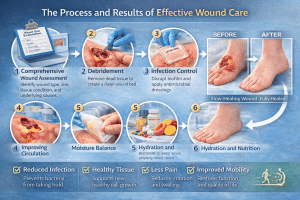
1. Comprehensive Wound Assessment
Healing cannot restart without identifying the true cause.
Wound care specialists begin with a full assessment that looks beyond the surface. This includes wound type, depth, drainage, surrounding skin condition, circulation, pressure exposure, and current healing stage. Without this clarity, treatment becomes guesswork.
2. Debridement To Remove Healing Barriers
Dead or damaged tissue prevents new tissue from forming.
Debridement removes this non-viable tissue so healthy cells can grow. It also reduces bacterial load and helps the wound move out of the inflammatory stage. When done correctly, it creates a clean foundation for healing to restart.
3. Infection And Biofilm Management
Chronic wounds often contain bacteria that are not obvious.
Biofilm, a protective layer formed by bacteria, can quietly block healing. Advanced wound care identifies and disrupts biofilm while managing infection risk. This step is critical for wounds that show persistent drainage, odor, or stalled progress.
4. Improving Circulation And Oxygen Delivery
Tissue cannot repair without oxygen and nutrients.
Advanced wound care evaluates circulation and addresses factors that limit blood flow, such as swelling or pressure. Supporting oxygen delivery helps repair cells function properly and improves the effectiveness of other treatments.
5. Moisture Balance And Advanced Dressings
Too much moisture breaks tissue down. Too little dries it out.
Advanced dressings are selected based on wound needs, not convenience. Proper moisture balance protects new tissue, supports cell growth, and reduces the risk of maceration or scabbing that slows healing.
6. Pressure Offloading And Mobility Support
Pressure destroys healing tissue faster than most people realize.
Advanced wound care includes offloading strategies to reduce pressure on vulnerable areas. This may involve positioning changes, mobility adjustments, or support devices that protect the wound during daily activity.
7. Nutritional And Systemic Health Support
Healing is a full-body process. Advanced wound care considers nutrition, hydration, and underlying conditions that affect repair. Supporting protein intake and overall health allows the body to prioritize wound healing instead of survival functions.
Chronic wounds rarely close by chance. They close when barriers are removed. Advanced chronic wound care combines assessment, targeted treatment, consistent monitoring, and systemic health management.
Our team delivers both in-clinic and mobile wound care in Ohio to ensure patients receive expert-level treatment without delay. When care is proactive and personalized, stalled wounds can begin moving forward again.
Chronic Wounds Can Heal With The Right Care
Chronic wounds rarely stay the same. They either move toward healing, or they move toward complications. The longer a wound remains open, the greater the risk of infection, hospitalization, and long-term tissue damage. Early, structured chronic wound care prevents escalation and restores safe healing conditions.
At Inspiring Minds Wound Care, our experienced wound care specialists provide advanced treatment throughout Ohio, combining clinical expertise, evidence-based protocols, and compassionate patient-centered care. We evaluate the root cause, remove healing barriers, and guide the wound safely through recovery.
For patients who face mobility challenges, our mobile wound care in Ohio delivers consistent, professional treatment directly at home.